
For Whom The Half-Time Bell Tolls...
The New Conservative Capital In Repose

Things continue to get better and better at the Danube Institute. Having dispensed with the excess of fellows, a local bookkeeper is now helping us to offload the cash reserves we’d been building up — needlessly, as it turned out.
The new, slimline institute set to debut in September will be a marvel of efficiency — the equivalent of packing a vacuum jar transistor into a silicon wafer. Who says Hungary can’t innovate?
In the meantime, we have a lot to report. It has been a busy half-year. Probably the busiest ever. A major conference on family policy. A new sister org. Twenty-five research papers. Forty events. Thirty-five podcasts. Two feature length documentaries. Now, as we face the final curtain (until September), we can say we did it our way (until September).
To mark this natural pause, instead of an annual top 50, here’s our half-year rundown of the Top 30 Things We Loved In Early 2026.
THIRTY: Election Night
For BiB, we happened to be caught out by the speed of events — between-venues, stood on a roadside, fiddling with QR codes for an e-scooter (cabs were non-existent that night). Midway through a particularly tense attempt to input a One Time Passcode, suddenly, WhatsApp exploded, and we could only watch as the messages poured in — and reflect that this was exactly the sort of news that should be enjoyed in company, with a stiff drink.
By the time we’d e-scooted up to MCC, the waiters were already hosing down the tables; only comms czar Stephen Sholl and his small gang of bittereinders remained. Turns out when you lose an election no one gets laid; but a certain grim camaraderie emerged over the ensuing hours, fuelled by Tatratea and LinkedIn updating.
TWENTY-NINE: Judgement Day Rorscharch Tests
Awaiting the clunking Monty Python Foot of Fate since the election, the one thing we’ve learned is this: be they top tier analysts or humble support staff, everyone’s view on ‘what’s going to happen next’ bears no relation to any facts - it is always and everywhere a linear function of their own personality type — if you’re upbeat, you’ll project some deus ex machina US donor salvation route onto the future. If you’re a pessimist, you’ll start building the gallows. As for BiB? Well, we just like to watch the world burn…
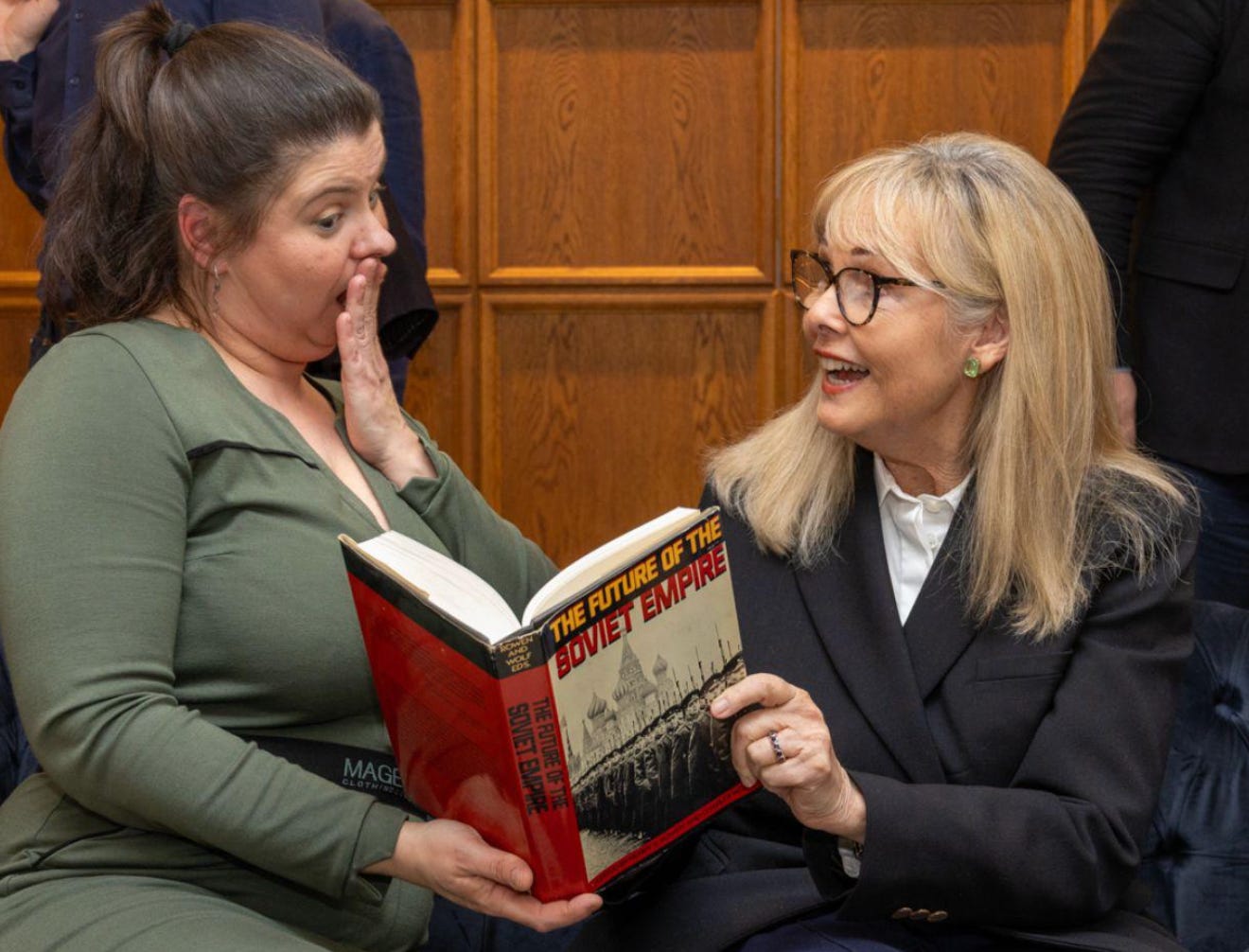
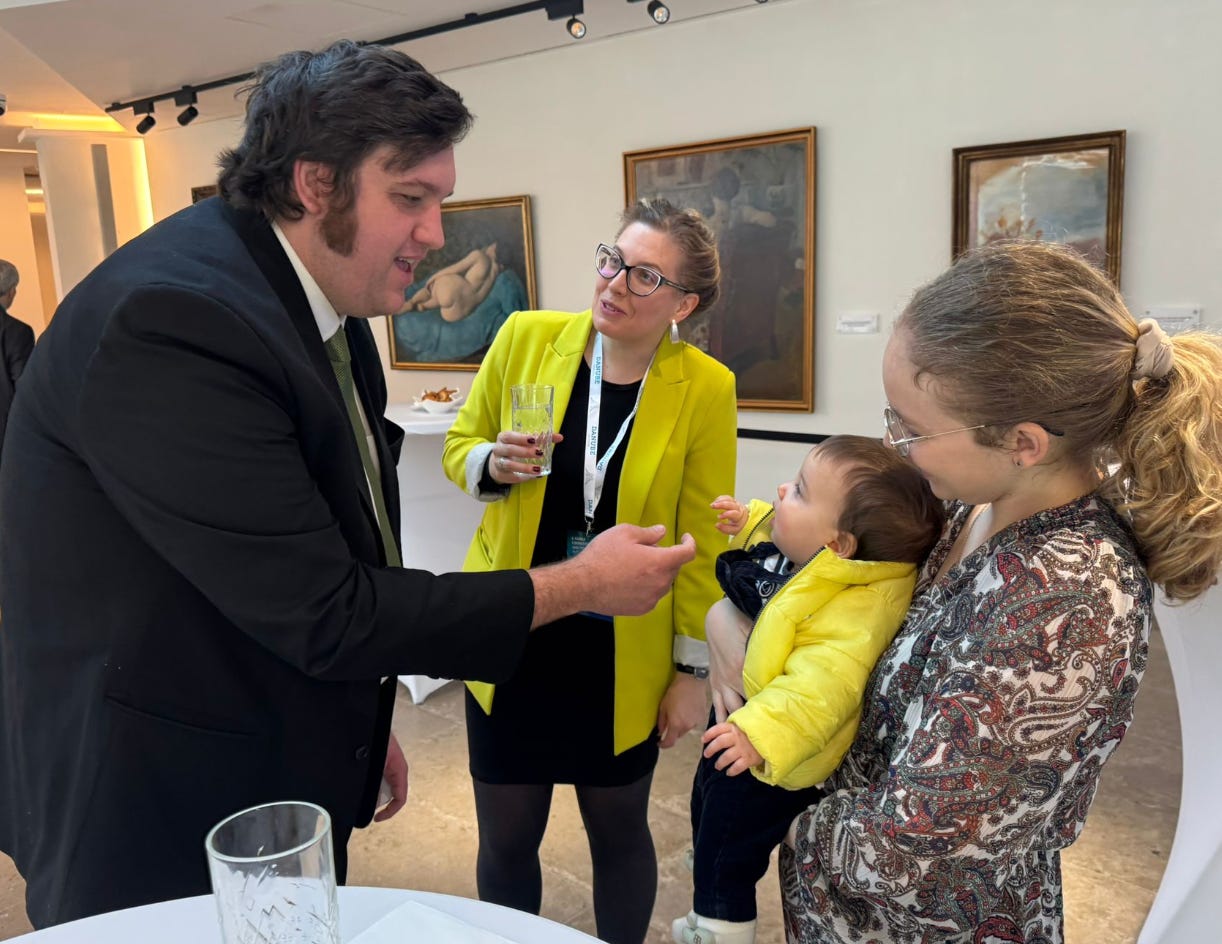


TWENTY-EIGHT: Hungary Chooses
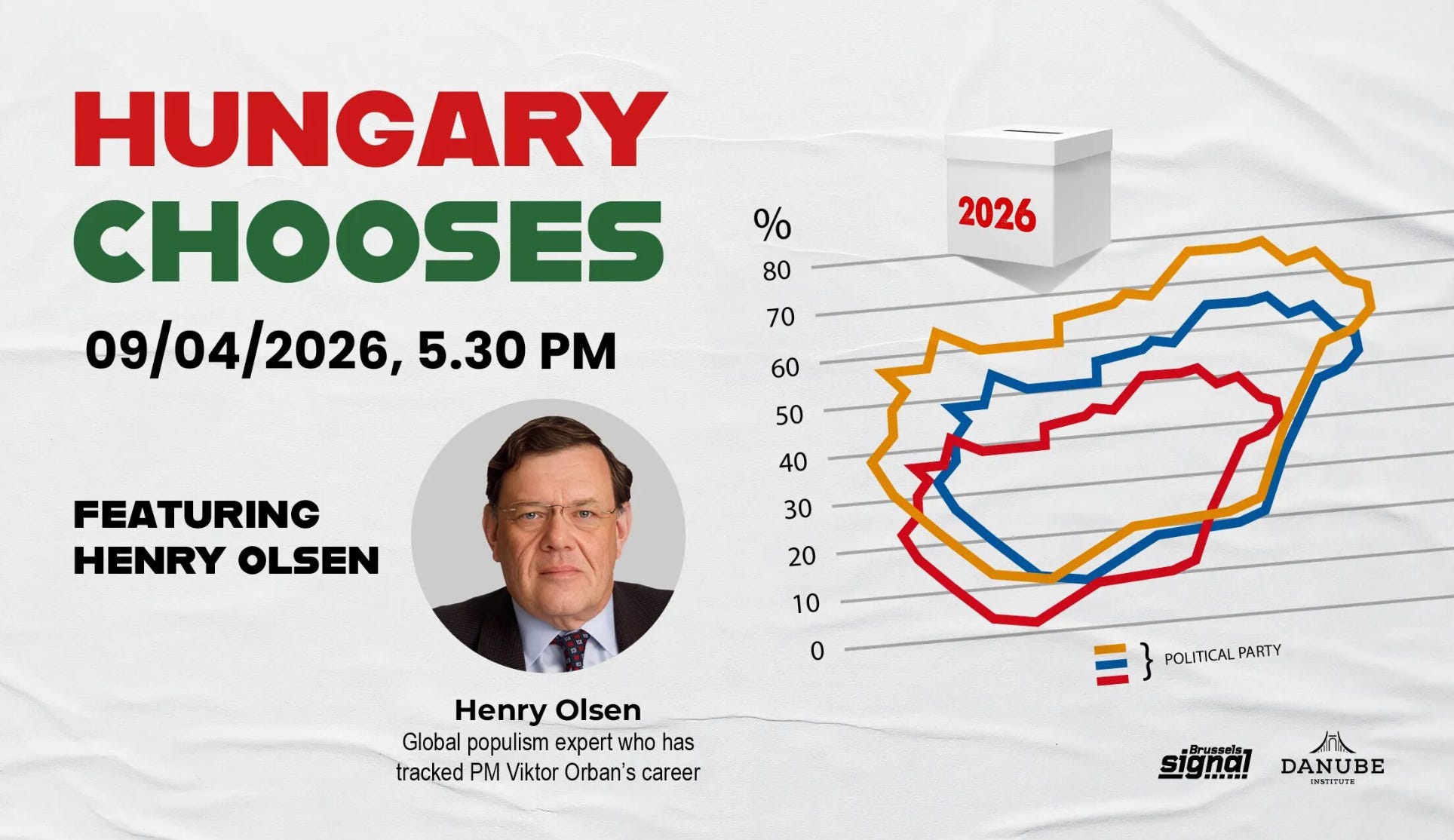
When Henry Olsen speaks, psephologists sit their asses down and listen. Olsen is one of the highest pedigree election-callers in America.
Speaking at a co-pro event with Brussels Signal, three days before polls opened, everything he said turned out to be true — but like the best fortune tellers, it turned out to be true in the opposite direction to what we’d expected.
“If Fidesz don’t take the rural areas early, then expect chaos elsewhere.”
“This election will be won and lost on bread and butter economic issues.”
Etc.
The panel discussion also featured memorable hard truths from Republican columnist John Fund: “The Fidesz election campaign has been too negative; people don’t care about Ukraine any more.”
Proof that there is still a commentariat out there worth listening to.
But probably the most prophetic words of the evening came from Mary-Ellen Synon, speaking from the audience: “If Magyar wins, Brussels will roll him over in short order. The pressure they can bring to bear is so huge — and that’s what Orbán has spent his life training to withstand.”
TWENTY-SEVEN: Extremism Magazine Reports
OMG YOU GUYS! WE’RE IN THE HECKIN’ GLOBAL PROJECT AGAINST HATE AND EXTREMISM’S EUROPEAN SPECIAL!!!

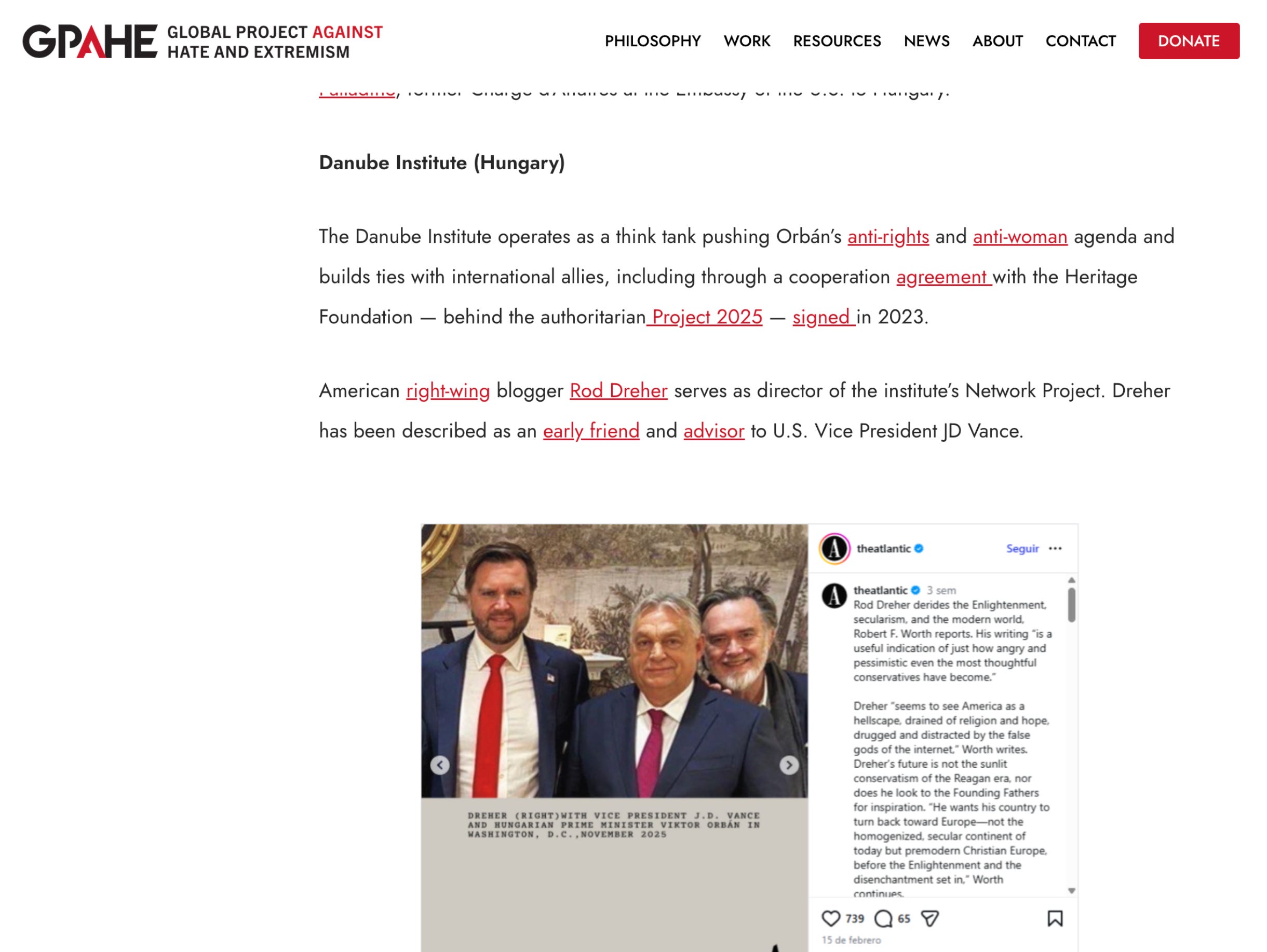
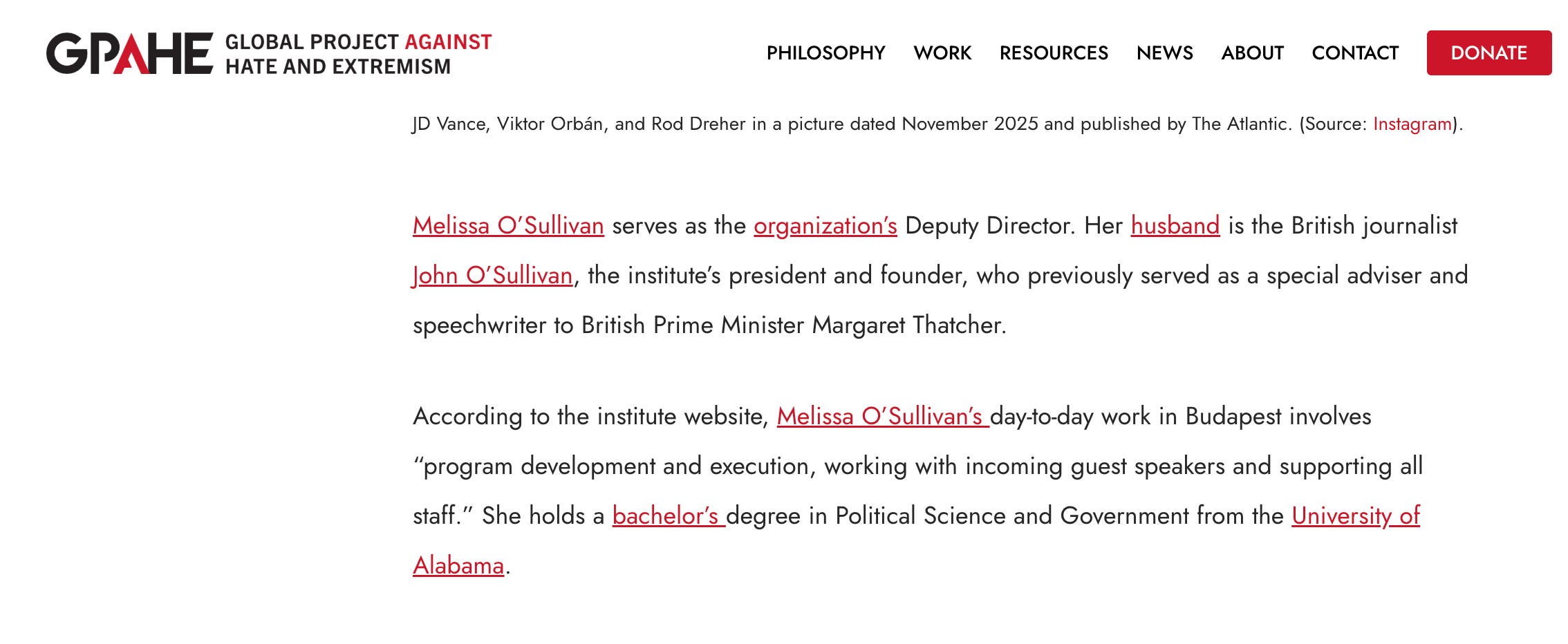
Wherein we learned that Melissa is married to John and her work involves “program development and supporting staff”. She has yet to live that one down.
Also: “according to his LinkedIn, Sean Nottoli was a regional director for the Trump campaign” — not widely known.
TWENTY-FIVE: Sam Francis: The Podcast
Sam Francis is one of the great martyrs of the conservative movement. A Jonathan Bowden to the US right — prickly personality, a half-seer, so far ahead of his time he was hated for it, persecuted for it, then died young in poor obscurity.
John O’Sullivan knew him personally, of course. And reflected here on his singular character, and the broader journey that conservatism has been on over the last thirty years — ably assisted by Markus Johansson-Martis.
TWENTY-FOUR: Alex Lefebvre: Danube Anthropologist

Canadian philosopher Lefebvre was brought into our offices in order to study us. He styled himself as a liberal critic of the national-conservative turn, who felt it important to listen first-hand to his opponents.
We enjoyed being listened to. And then we enjoyed listening to him. In fact, once we got this fox into the henhouse, he convinced us we should all tuck into omelettes and BBQ wings.
Lefebvre is still out there punting for the 90s model of liberalism. To wildly paraphrase his sophisticated arguments: “Liberalism isn’t working because of a failure of its leadership class.” Well, if it were all blokes like him, that wouldn’t be an issue.
Read his article here. And hear our podcast here.
TWENTY-THREE: The Extraordinary Productivity of Ray Ibrahim
We figured that Ray was no median back in February, when he casually told a seminar audience that he sometimes writes 8000 words in a day. Many blogs, videos, interviews, TV appearances later, Ray stands as an example to us all of hard work, not overthinking it, having a great routine, and really hating Islam.
Highlights of the past six months include:
12 HuCon articles.
120 videos (!)
6 x 4000 word reports on persecuted Christians
And the bones of a forthcoming book on Hungary as the medieval turnstile of the clash between Christianity and Islam.
Do you even Pomodoro, bro?

TWENTY-TWO: How To Think About Climate Change
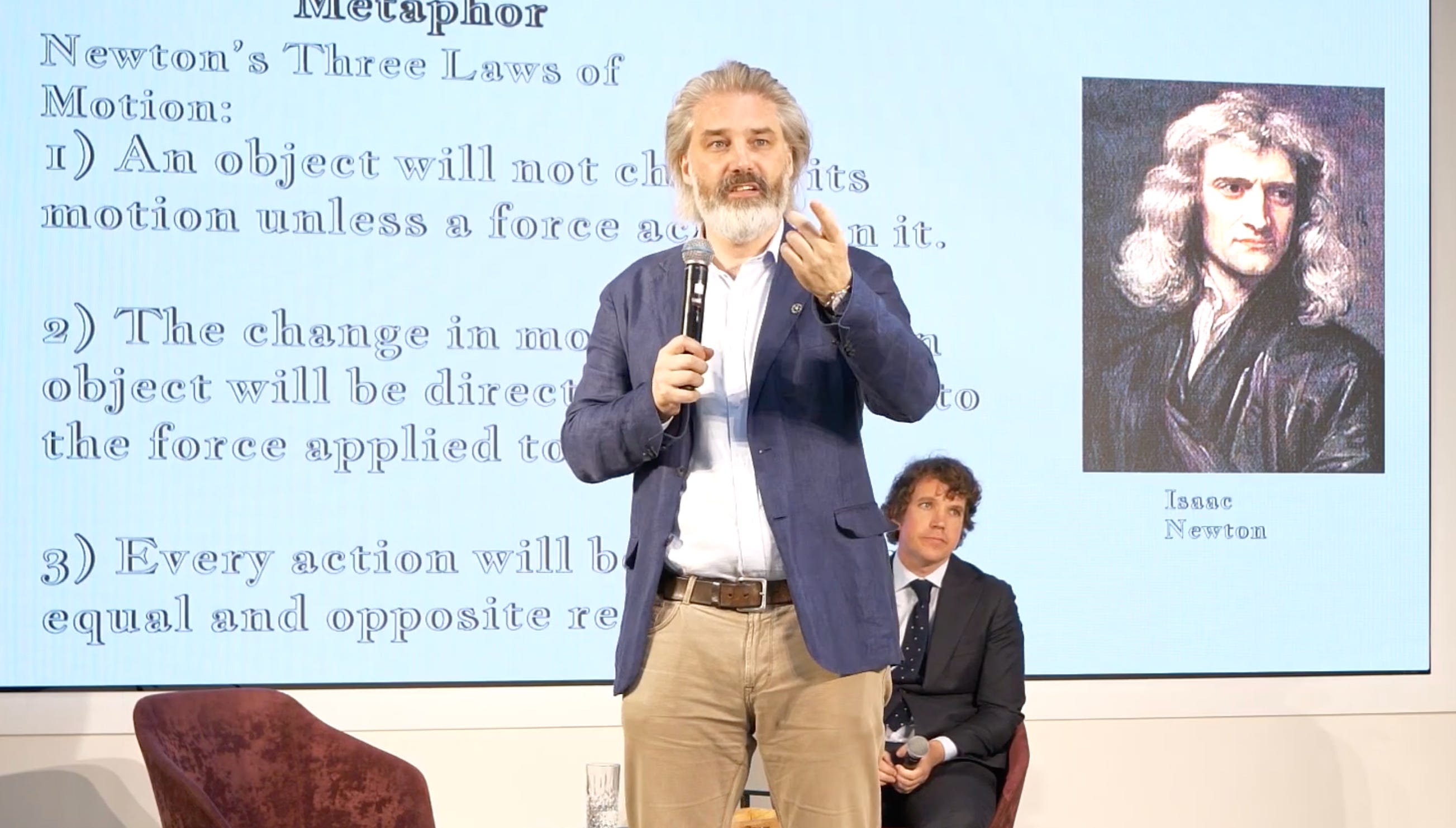
Somewhat-buccaneering Director of Research Calum ‘TM’ Nicholson brought in his good buddy Rupert Darwall to talk about how mangled our climate discussion has become.
No space here for tedious ha’penny shuffle over IPCC reports and ice core samples. This was the big picture: what are the fundamental precepts in our society that have led us to fixate over just this one catastrophe? What are the costs of mitigating it, when stacked against the costs of not thinking more widely about our species-role?
Darwall was a sensation, but top marks went to the closing remarks, in which the emotionally-invested Nicholson gave the equivalent of Emilio Estevez’s speech in the Mighty Ducks — about the future of the Institute, the good done, the friends made. One big cuddle puddle ensued. Not due to global warming.
TWENTY: Andrew Collingwood on European Defence

Collingwood — a popular Twitter personality and star of the cult geopol podcast Multipolarity — is not a jobbing academic. Yet he took on this forty page research paper project entirely unpaid, in his evenings and weekends, because he felt that someone needed to speak to the moment we’re in: the long shadow of US withdrawal and European weakness. His conclusion? An EU Army is not the worst of all possible worlds.
EIGHTEEN: Danube USA

SEVENTEEN: Who’s In, Who’s Out
Dr Jonathan Price paid from his own pocket to have this series recorded in an Oxford atelier, and roped in his many witty chums. The likes of Charles Foster — aka The Guy Who Pretended To Be A Beast — and best supporting newcomer, Jane Cooper, a Prize Fellow in English Literature, got heavy on why The Wasteland is bunk, Bob Dylan is cringe, and the world needs to hear more about Robert Southwell, poet and martyred priest.
Dr Jonathan proved to be a natural behind the mic. The result was a series that effortlessly attained what so many podcasts aim for and miss: ’Eavesdropping on the pub chat of the smartest people you know’.
FIFTEEN: John O’Sullivan’s Open Letter

In the light of a lot of this sort of thing, J’OS was roused to retaliate last month — and he set a lot of records straight. 1700 words, 80 000 views on Twitter. 1 smoking revolver back in its holster. He’s the OG for a reason.
THIRTEEN: Christian Revival at Pusey House

Much more comfortable were the pews of Pusey House, Oxford. Our conference on Christian Revival was itself a great piece of christian revival revival, stimulating a wave of thinkers — the laughing lord Maurice Glasman, techno-pessimist Mary Harrington, brain boulevardier Iain McGilchrist, well-mannered parson Fergus Butler-Gallie, religious fanatic David Campanale, up ‘n’ coming bluestocking Esmé Partridge, Islamo-skeptic Ray Ibrahim, and dark lord David Frost, among many more — to reconsider the role of faith in post-modernity.
ELEVEN: Family Formation Conference

The chill before the storm. The March Family Formation Conference was a strange kind of summative moment, when, finally, after years of battling to get our necks above the waterline of mere management— to figure out what we wanted to say, who to, why, and what canapés to serve them while doing so, we put on a big international show that just plain worked: that was somehow both intimate and important. Needless to say, two weeks later, all that momentum was lost in le deluge.
TEN: By Sabre And Steed: The Hussar Ethos And Its Application To Modern Warfare
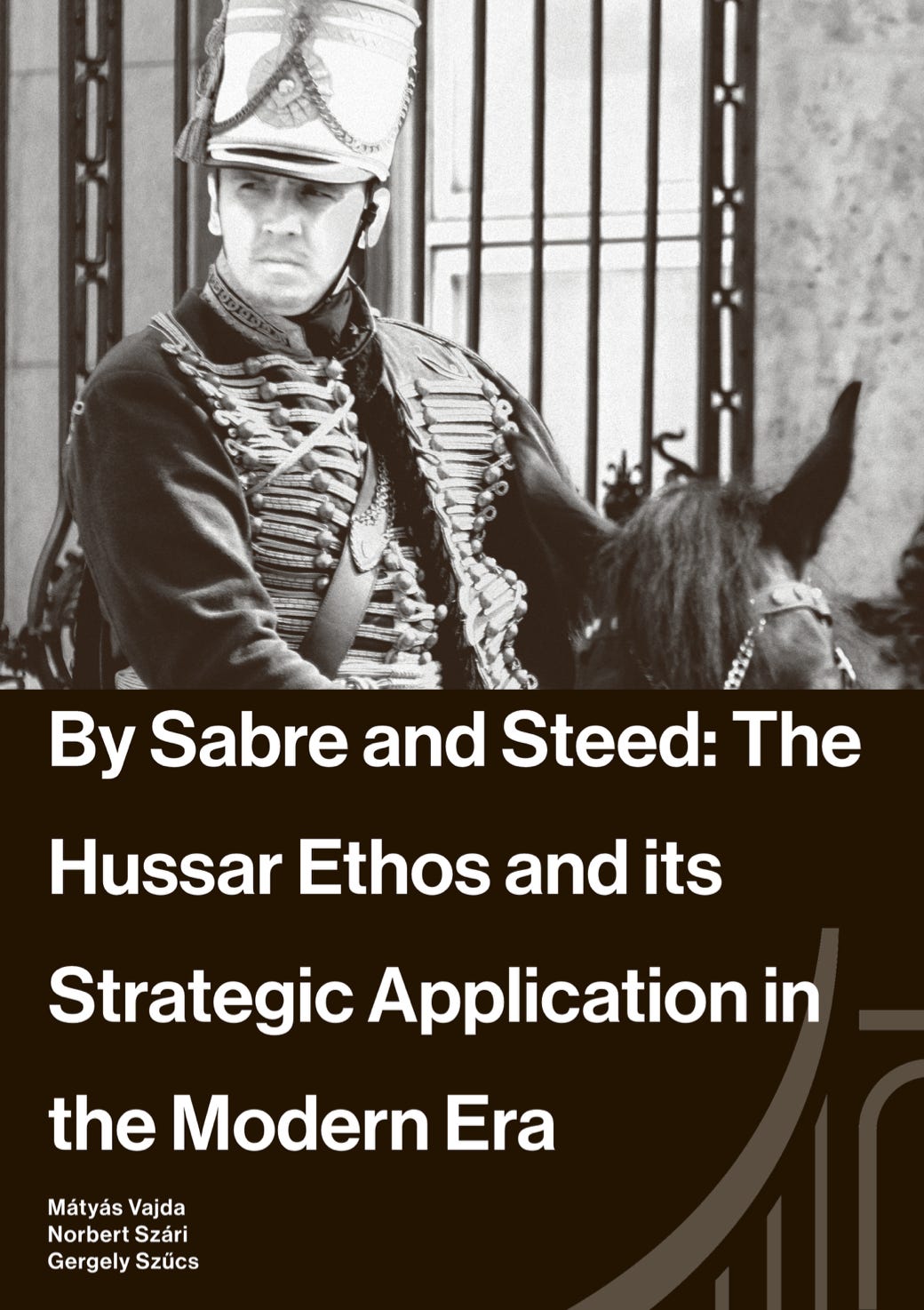
Turns out no one quite knows the etymology of the term ‘Hussar’. It might be related to the Hungarian word ‘husz’ (twenty) — but that is still ambiguous. It could still be because there were originally twenty men in a unit; or that for every twenty households, one man was required to be sent to the front.
Hussars go back as far as the 15th century, but as our three esteemed colleagues, — Gergely Szücs, Mátyás Vajda and Norbert Szári — point out, beyond the curved sabres and the braided tunics, over time, Hussars developed an elite regimental culture, and a chivalric mindset to match. Their paper frames that mindset and how it evolved — The Way of the Samurai, basically, Magyar-style.
NINE: Code Victorian



In April, word began to spread around town of a handsome man who stared at things. He would occasionally wiggle his eyebrows as if to say ‘this is a good thing’. Or crease his brows as to say: ‘no, don’t like’. This, we were told, was wildly popular with the kids. In fact, this guy had basically been given a fellowship by MCC as an online brow-wiggler. At this, various Straussian philosophers 70 000 words into peer review threw themselves into the Danube.
Turns out the story was a bit more complicated: Matthias Victorian (@codevictorian) has nearly 400 000 followers on Instagram. Two years ago, he started with nil; not even a year ago, he quit his day job in the Netherlands to become a full time social media sensation. We all needed his magic stardust if we were to become relevant to the mid-21st century. Turned out he could talk, too: bonus.
EIGHT: Carlos The Jackal and Socialist Spycraft in 1980s Budapest

Brainchild of Dániel Farkas. Brain step-child of Gavin Haynes. Our duo presented this public lecture as a piece of narrative non-fiction, in the style of the spy thrillers of the age — Haynes driving the story forward, Farkas adding the cutaway analysis.
A spookily intelligent audience often seemed to know even more about the Jackal than our hosts.
Netflix rights are still available, if anyone’s keen.
SEVEN: Magyarwood

Netflix rather snottily decided to pass up the rights to the two films that emerged from the DI this year. Their loss. DMs still open though.
They are:
The Hungarians — the story of Hungarians and who they are (TL;DR - they are proud and a bit suspicious).
And Barbarians at the Gates — the story of migration in the Merkelwave era (TL;DR - Wir können es nicht tun.)
SIX: Trying to Get the Week’s Idiom Past Noémi Palfalvi
One of our biggest fans, and a power behind the throne at the DI, Noémi is Dick Cheney to István’s George W Bush, Beria to his Stalin. The ruthlessly effective NoNo combines tough-mindedness with an easygoing charm — plus a dash of free-floating anxiety about the Institute’s public image. So it’s been good fun to try and push ruder and ruder Hungarian idioms past her censor’s pen. ‘The bigger dog gets to mate’ is certainly one way of phrasing last week’s.
FIVE: Why Beautiful Cities Matter

Nowhere does conservatism have more torque over the left than in its championing of traditional architecture. If only we could turn ‘chocolate tastes good’ or ‘orgasms are nice’ into wedge issues, we’d be rampant. For now, we’ll have to rely on ordinary people’s felt belief that a house with gables, oak trees and a Mansard pitch is actually a good thing.
Organised by Markus Johansson-Martis, the event’s star turn belonged to Eric Norin, who shot us through a pitch deck on beauty that was itself worth framing.
By the end, the crowd were so juiced up on classicism that we could have handed out Molotovs with the coats and they’d have happily burned the MOL Tower to the ground.
FOUR: SITREP
Since April, the DI has been attended by a mysterious figure known only as The Hutch. An Australian who nonetheless speaks in RP, he is notable for his straw boaters, cream linen blazers, sorbet-yellow bow ties, his general air of having arrived at work by gondola.
This self-consciously self-styled fellow is our new production manager, and every day, he fires out an army-style SITREP — Situation Report — to his team, bulleting key goals along the paper production pipeline. Take that hill. Napalm those academics. It’s like living in a combination of Full Metal Jacket and The Entertainer, and we love it.
THREE: Rod Dreher on Hungary

We lost the Big Dog back in May. But before we did, he turned up at the studio to record his farewell podcast, wherein he stapled together all the many thoughts he’d been developing on Hungary, Hungarians, over the past five years. A greatest hits set of pure material from a master — like listening to Jerry Seinfeld do a whole hour on airline peanuts.
TWO: The New Danube Institute Brochure

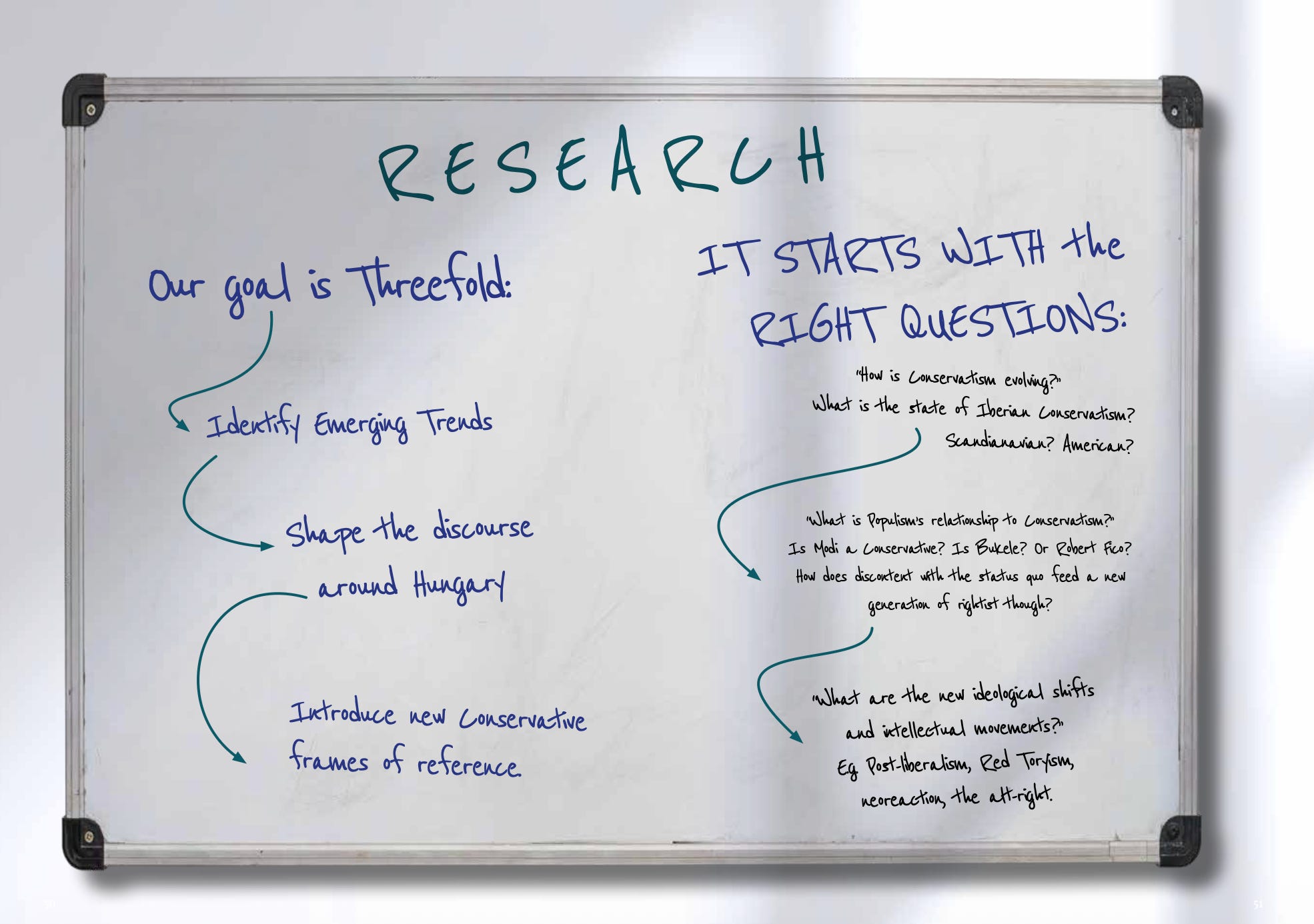
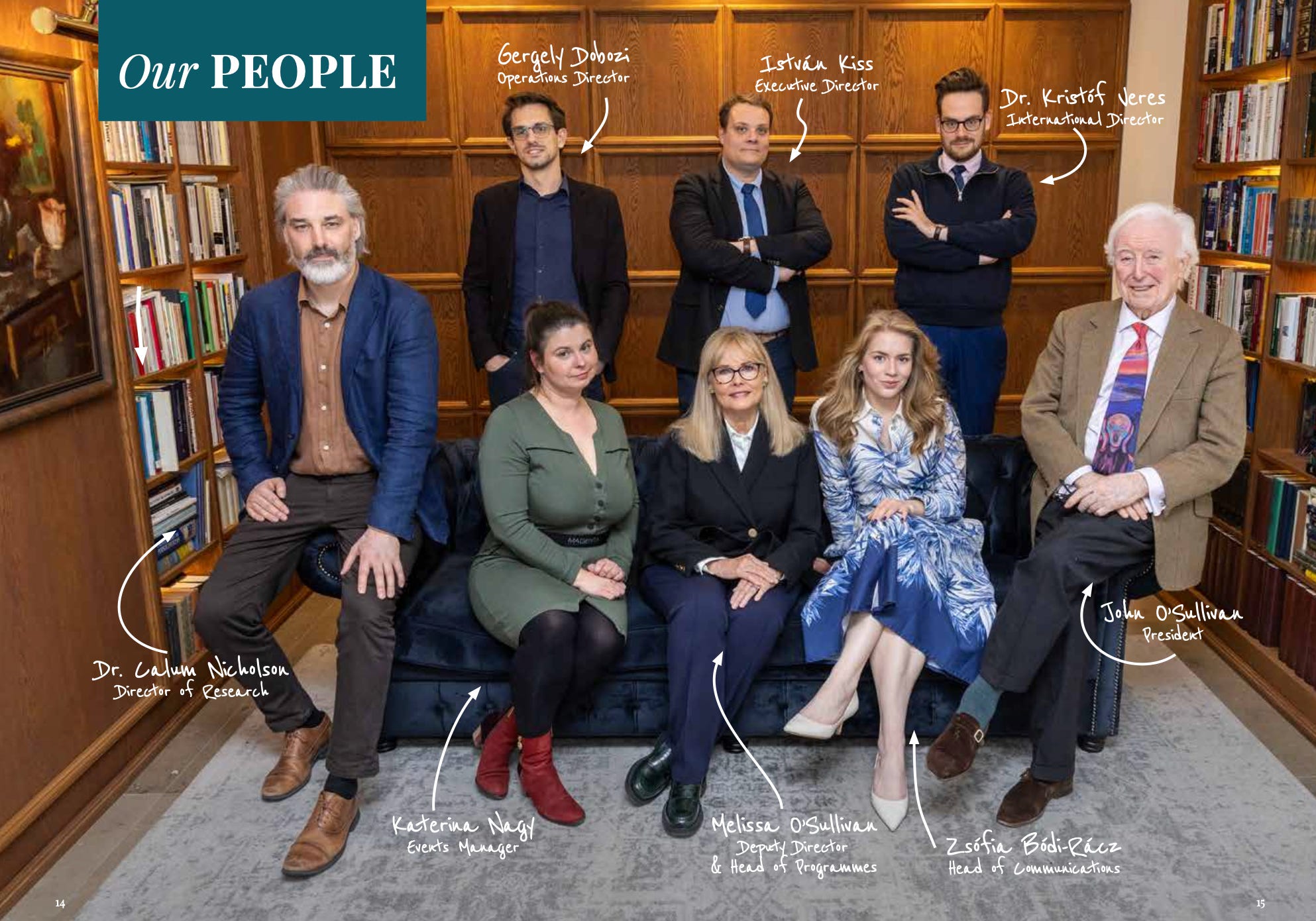
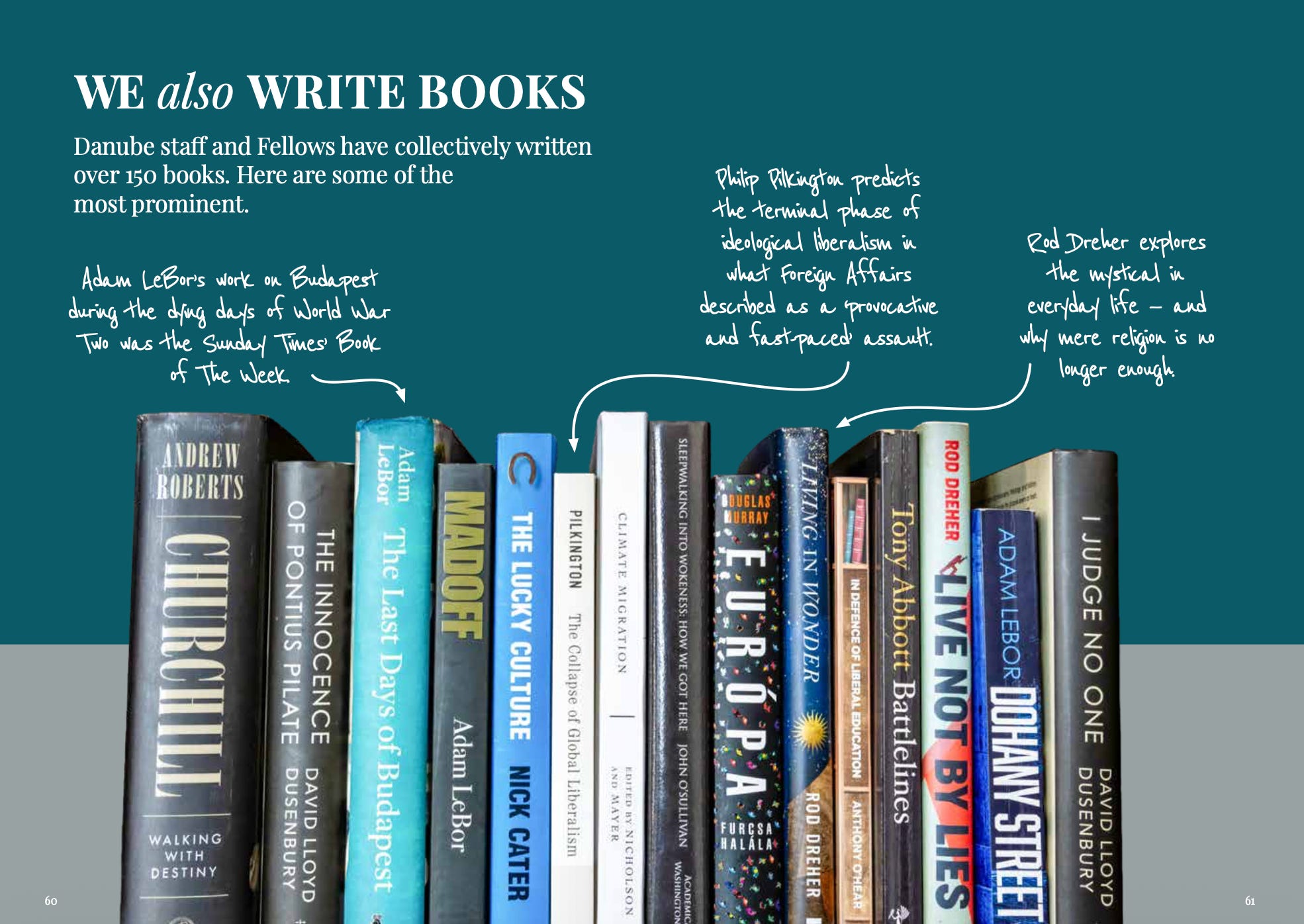
What began as a series of doodles in that awkward period over Xmas when you’re living in your parents’ spare room and don’t quite know what to do with yourself, the project for a new brochure bloomed into something quite special.
Not since Jony Ive decided we should be able to inspect the cathode ray tube inside an iMac has there been a more crisp inversion of the form-function dynamic. Now something of a collector’s item — Danube completists, start here.